

How Humidity Affects Exterior Paint Lifespan in Lafayette, LA
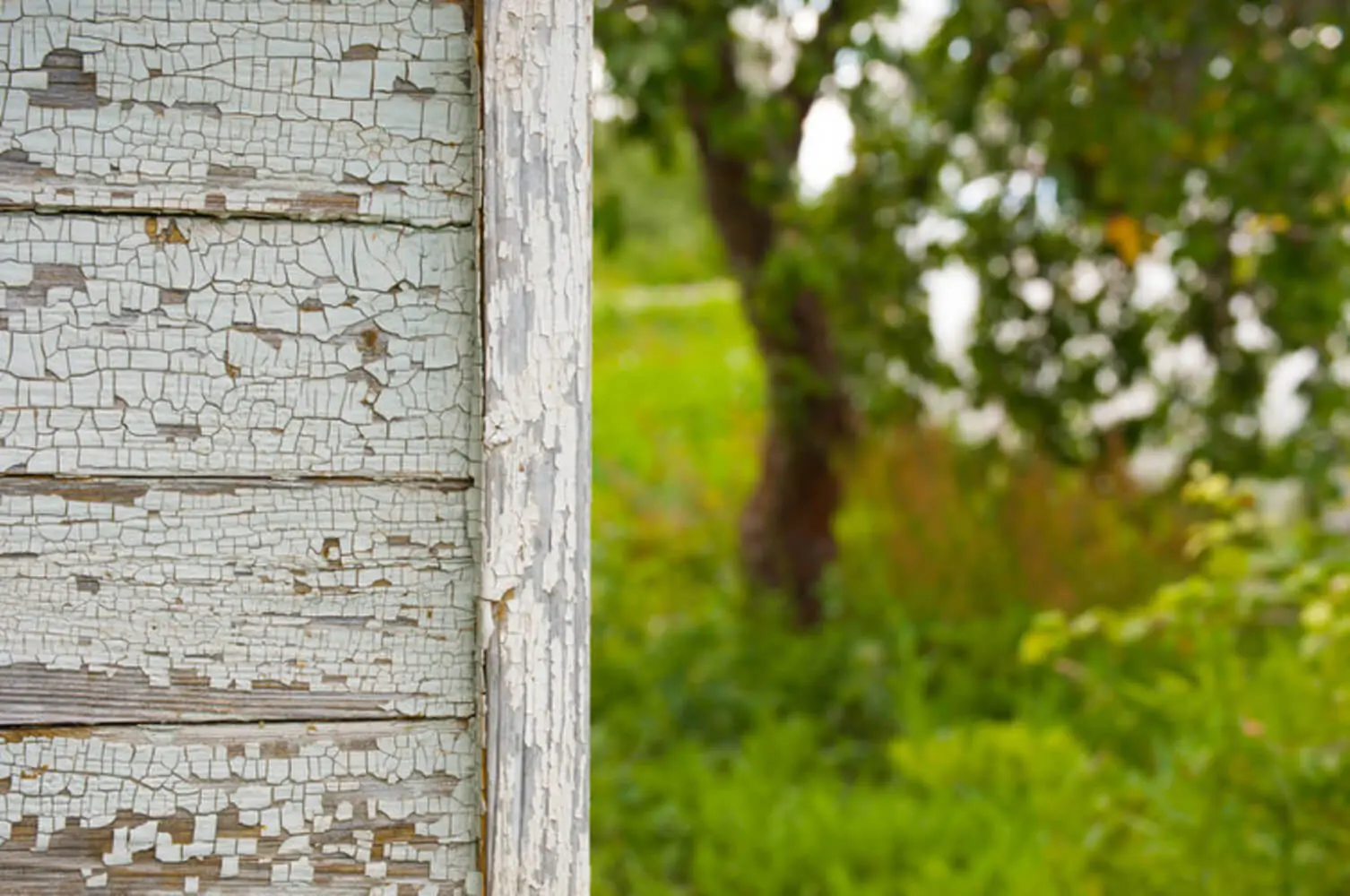
Humidity affects exterior paint lifespan in Lafayette by shortening it, often well before the 7-to-10-year timeline you were probably told to plan around. If your paint is fading, blistering, or peeling early, you’re not imagining it.
What’s breaking it down matters more than most homeowners realize. Understand it, and you avoid repainting over the cause and paying for the same job twice. Miss it, and a little bubbling on a window sill can turn into rotted wood.
Early failure doesn’t mean you did anything wrong. Lafayette’s weather is a big part of the reason, and it works on your paint in more ways than humidity alone.
Why Lafayette’s Climate Is So Hard on Exterior Paint
Lafayette’s climate is one of the main reasons exterior paint wears out early here. Humidity, sun, heat, and storms all work on the same surface, and the 7-to-10-year repaint timeline most homeowners hear assumes typical conditions. Lafayette isn’t typical, and that window sill takes all four at once.
Start with the humidity, which doesn’t come and go with the seasons. Annual humidity regularly runs above 70%, dew settles on siding overnight, and shaded walls can stay damp well into the afternoon. Paint on a Lafayette home spends far more of its life wet than paint in a dry region does.
Then add the sun. Heat index readings often push past 100°F in summer, and the UV exposure is intense. Ultraviolet light breaks down the binder, the ingredient that holds the pigment together and bonds the paint to the surface.
That’s what causes fading and chalking, the powdery residue that rubs off on your hand. It also leaves a thinner, more porous film behind.
These stresses feed each other:
- Heat makes siding and trim expand during the day and contract at night, which stresses the paint film until hairline cracks form.
- Storms drive water into those cracks.
- Humidity keeps that water from drying out afterward.
- UV keeps thinning the film, so the next round of damage goes deeper than the last.
You might assume Lafayette’s mild winters make it easier on paint, since there’s very little freezing and thawing to crack the film. That does remove one stress. But a constant cycle of heat and moisture is hard on paint in its own way, and it never gets a winter break.
Every one of these stresses ends the same way: with moisture getting where it shouldn’t be.
How Humidity Affects Exterior Paint Lifespan: Trapped Moisture and Mildew
Once the sun and heat have cracked the film, humidity does its damage in two ways. It gets water behind the paint and keeps it there, and it gives mildew and algae a permanent place to grow.
Water doesn’t need a big opening. Besides those hairline cracks, it gets in through:
- Nail holes and open seams
- Caulk that has shrunk or split
- Joints where trim meets siding
- Bare or under-primed wood
It can also be there before the paint goes on. A board can feel dry on the surface while the wood beneath still holds moisture, and paint applied over it seals that water in.
Paint slows water down in both directions. A film that keeps rain out also makes it harder for moisture behind it to leave. Heat from the sun turns that trapped water to vapor, and the pressure pushes the paint away from the surface.
That’s a blister. When blisters break, the film loses its grip and peeling follows.
Many homeowners assume good paint seals a house completely. It doesn’t. Paint sheds most water, but it isn’t waterproof, and tiny openings are where moisture gets in.
Mildew and algae add a second layer of damage. They thrive on surfaces that stay damp and get little sun or airflow, and they feed on components in the paint itself. Staining, a rougher film, and faster breakdown follow.
Cleaning them off only helps for a while if the moisture that fed them is still there.
That’s why a blister on your window sill deserves attention even when it looks cosmetic. It usually means the paint has separated from the surface, and every rain after that sends more water to the material underneath.
The Areas of Your Home Where Paint Fails First
Moisture doesn’t hit every part of a house equally. Trim, fascia, window sills, joints, and shaded walls usually fail first, along with any surface near thick landscaping or anywhere air doesn’t move much.
What they share is that they hold water. Sills sit flat, so water pools on them. Joints and seams are the openings where moisture gets in first.
Shaded or crowded walls stay damp longest, because the sun can’t dry them and shrubs and vines block the airflow.
What your home is made of changes how the damage plays out. Wood, fiber cement, and brick are all common on Lafayette homes, and each holds moisture differently.
Wood absorbs moisture and swells, then shrinks as it dries. That constant movement stresses the paint until it cracks, and the cracks let in more water. It’s the most vulnerable material, which is why trim, fascia, and sills tend to go first.
Fiber cement is more stable, but it isn’t immune. It holds surface moisture, especially along edges and seams, and that dampness gets in the way of paint adhesion.
Brick is porous and quietly absorbs water. Paint over brick that’s holding moisture can lose its grip.
If your trouble started at a trim board, a sill, or a shaded wall, that’s the expected pattern in this climate, not a sign that something unusual went wrong. It also matters beyond looks, because trim and fascia shield the structure underneath from water.
How Paint Failure Progresses From Chalking to Wood Damage
Once water reaches bare wood, paint failure follows a sequence, and each stage makes the next one easier. A faded, bubbling window sill can end up as a carpentry repair if nothing interrupts it.
Here’s how it typically unfolds:
- Fading and chalking. The binder breaks down and the surface turns dull and powdery, often alongside early mildew and shrinking caulk.
- Cracking and blistering. The thinned film cracks and trapped moisture lifts the paint into blisters.
- Peeling and flaking. Blisters break and sections of paint let go, leaving bare surface exposed.
- Soaked and softened wood. Bare wood takes on water with every rain and every heavy dew, and it begins to soften.
- Rot and repair. Once wood has rotted, it has to be repaired or replaced before any new paint can hold.
This is why exterior paint fails faster in humid weather: the surface never gets a chance to recover. In a dry climate, a damp board dries out between rains and the damage pauses. Here, the next round of moisture often arrives before the last one has left.
It’s easy to write off fading and chalking as cosmetic, but they aren’t. Chalking means the film is thinning and losing its ability to protect, even if the color only looks a little tired.
The stakes come down to timing. Catching the problem in the early stages usually means a repaint. Catching it late often means a repaint plus carpentry repairs, which adds cost and has to be finished before any paint goes on.
Why Prep, Paint Choice, and Timing Matter More in Humid Weather
Nothing stops that sequence outright, but prep, paint, and timing can slow it, and skipping any one of them shortens how long your paint lasts.
Prep matters most, and it’s where paint jobs differ the most. In humid weather, a thorough job usually means:
- Cleaning off mildew, dirt, and chalky residue, because paint won’t bond to any of them.
- Making sure surfaces are fully dry, including the wood beneath the surface, not just what feels dry to the touch.
- Sealing cracks, gaps, and open joints, since those are where moisture gets in first.
- Priming bare wood, so it stops absorbing moisture and the paint has something to grip.
Skip those steps and failure can show up within a year or two, even with premium paint. That’s why prep often matters more than the brand on the can.
The paint itself counts too. Flexible coatings move with wood and siding as they swell and shrink instead of cracking. Breathable ones let trapped vapor work its way out more easily.
Mildew-resistant formulas slow the growth that thrives on Lafayette’s damp, shaded walls. A standard exterior paint can fall short here.
Timing is the part homeowners rarely see. High humidity and dew slow how quickly paint cures, and early mornings and evenings carry the most moisture. Paint applied over a damp surface traps that water underneath, so a professional plans the day around when surfaces are actually dry.
Put those three together and it’s clear why two paint jobs on the same street can last very differently. The weather is the same for both. What changes is what the job did about it.
Why a Professional House Painter Matters More in Lafayette’s Climate
Lafayette’s humidity, UV, heat, and storms do cut exterior paint lifespan short. How far they cut it depends on who paints your home and how they prepare it.
In a climate that already works against paint, a professional house painter who preps thoroughly and plans around the weather can slow the damage. A skipped prep step or a rushed schedule doesn’t show up years later. It shows up as an early repaint or wood repairs, and you end up paying for the same job twice.
Spell Painting is PCA-accredited and Google Guaranteed, so we’ve met third-party standards, and that matters in a climate that punishes shortcuts. If your paint has failed early and you want the next job to last, request a free consultation today.
